


















































Complete Periodic Table: Guide to the Chemical Elements
Welcome to your interactive chemistry resource! The periodic table (also known as the periodic table of elements) is the most powerful tool for understanding matter. In this complete periodic table, you will explore the foundational principles of chemistry and learn how to interpret every property and periodic trend clearly and intuitively.
What is the periodic table?
To understand what the periodic table is and how it organizes matter, imagine a vast library with millions of unsorted books. Finding any information would be nearly impossible. The periodic table of the chemical elements serves as the master bookshelf of the universe: it organizes all 118 known elements in order of increasing atomic number (Z), which represents the number of protons contained within the nucleus of each atom.
By arranging elements in this manner, their physical and chemical properties recur with remarkable periodicity. Built in strict accordance with the standards and official tables published by the International Union of Pure and Applied Chemistry (IUPAC), this interactive periodic table allows you to dynamically adjust temperature in real time to observe phase transitions before your eyes. Learn more about this educational project in our About the Periodic Table section.

How to read names, symbols, and element data
When examining a periodic table with names and detailed atomic weights, remember that each tile functions as an element's unique identification card. At the top, you will find its atomic number Z (protons); in the center, its one- or two-letter chemical symbol; below that, its official name; and at the bottom, its standard relative atomic weight expressed in unified atomic mass units (u).
Why do some symbols differ from their common English names? IUPAC preserves classical roots: sodium is Na (from the Latin natrium), iron is Fe (ferrum), gold is Au (aurum), and lead is Pb (plumbum). All atomic masses and physical data adhere to the recommendations of IUPAC and the National Institute of Standards and Technology (NIST).

Groups, periods, and blocks of the periodic table
To understand how the periodic table is structured, its architecture is governed by three fundamental coordinates: groups, periods, and quantum orbital blocks.
What is a period in the periodic table? Each horizontal row (from n = 1 to n = 7) represents a principal quantum energy level occupied by valence electrons. As you move from left to right across a period, atomic radius generally decreases due to increased effective nuclear charge, while first ionization energy and electronegativity increase.
What are groups in the periodic table? The 18 vertical columns (numbered 1 through 18 under the IUPAC standard) constitute families of elements. Elements within the same group share identical valence electron configurations, leading to predictable similarities in chemical reactivity and oxidation states.
The four quantum blocks: The periodic grid is divided into four distinct blocks corresponding to orbital subshells: s (Groups 1 and 2, plus helium), p (Groups 13 through 18, containing metals, metalloids, nonmetals, halogens, and noble gases), d (Groups 3 through 12, the transition metals), and f (the lanthanoids and actinoids).
Metals, nonmetals, and metalloids
Chemical elements are broadly classified into three overarching categories based on distinctive physical and chemical properties:
Metals comprise over 75% of all elements: they exhibit lustrous sheen, high thermal and electrical conductivity, and malleability. Notable families include the highly reactive alkali metals (Group 1) and alkaline earth metals (Group 2). Positioned along the dividing boundary are the metalloids or semimetals (boron, silicon, germanium, arsenic, antimony, and tellurium), which play a central role in modern semiconductor electronics.
Toward the upper right lie the essential reactive nonmetals (such as carbon, nitrogen, and oxygen), the reactive halogens (Group 17: F, Cl, Br, I, At), and at the far right, the noble gases (Group 18: He, Ne, Ar, Kr, Xe, Rn), whose complete outer electron shells confer remarkable chemical inertness.
Periodic properties, valences, and electron configuration
To formulate compounds and predict reaction pathways without rote memorization, understanding periodic trends and having access to reliable oxidation states is indispensable. Two core pillars guide chemical reasoning: understanding oxidation states across families and mastering how electrons occupy quantum orbitals.
In the periodic table, electron configurations dictate geometric position atom by atom, following the Aufbau principle, Hund's rule, and the Pauli exclusion principle. On this platform, you can inspect each element's atomic structure, compare properties using the Element Comparator, or explore molecular combinations in our Chemical Compounds Library.
How to learn the periodic table: effective study methods
Whether preparing for general chemistry exams or exploring chemistry out of personal curiosity, mastering the elements is best achieved through proven active-learning techniques:
1. Study by vertical columns and families: Group-based learning is far more effective than horizontal memorization, because related elements share similar valence behaviors and chemical reactions.
2. Employ memorable mnemonics: Creative phrases make complex families easy to recall (for example, for Group 1 alkali metals: "Little Naughty Kids Rub Cats' Fur" for Li, Na, K, Rb, Cs, Fr).
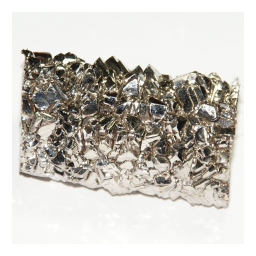
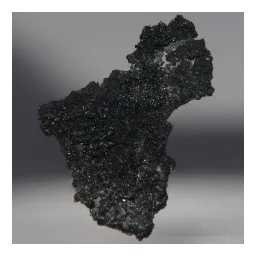
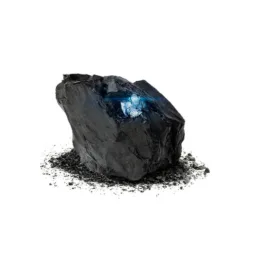
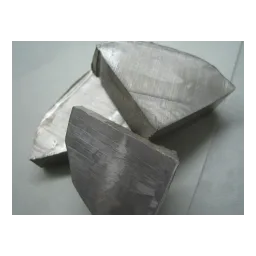
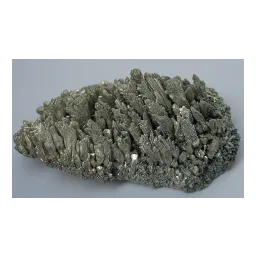
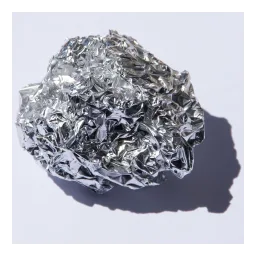
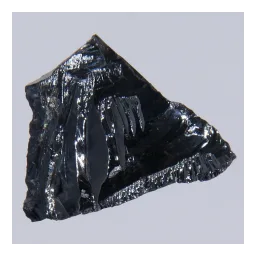
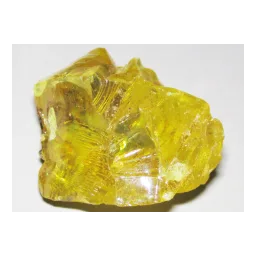
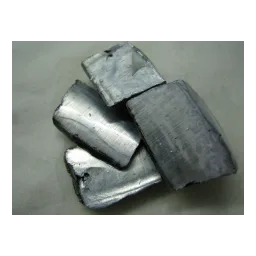
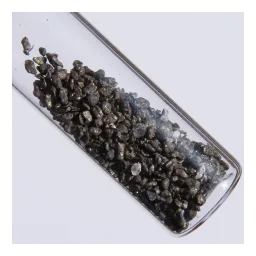
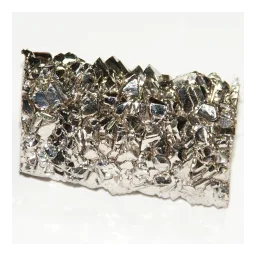
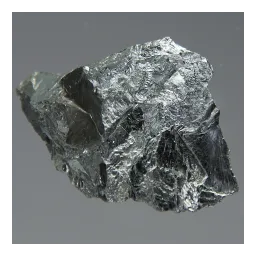
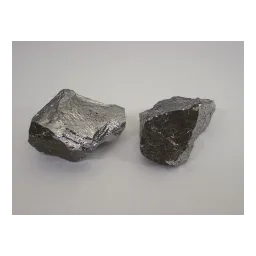
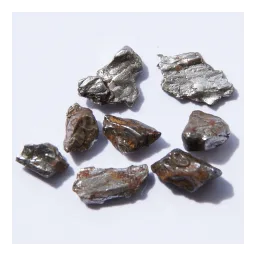
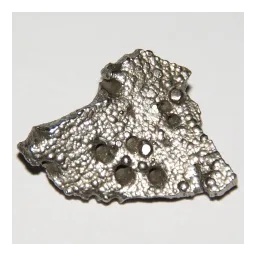
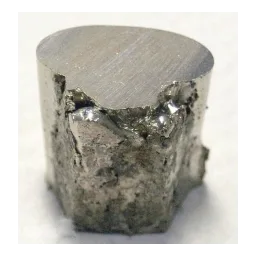
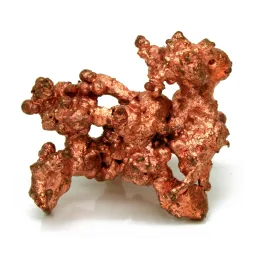
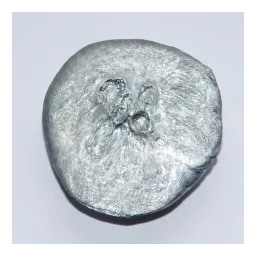
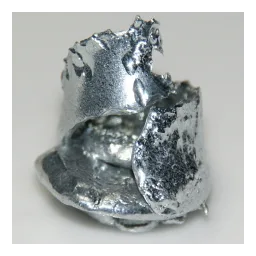
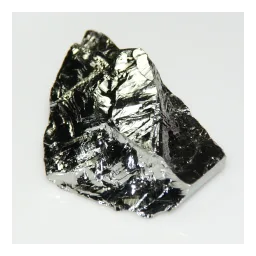
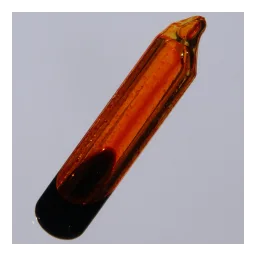
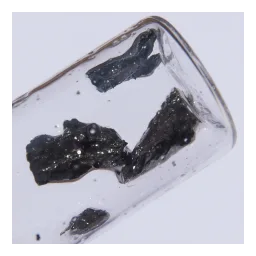
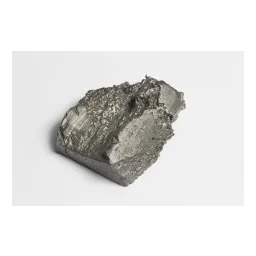
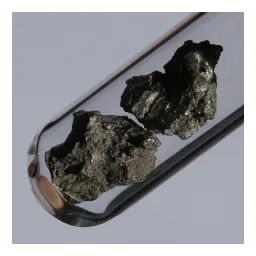
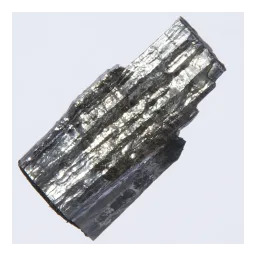
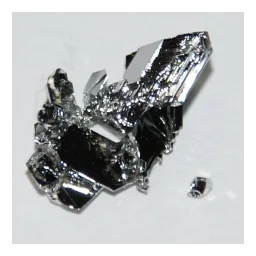
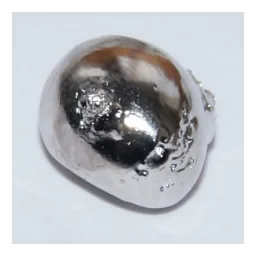
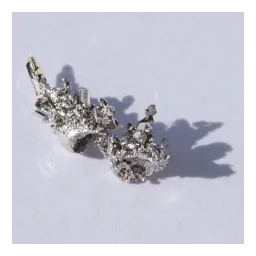
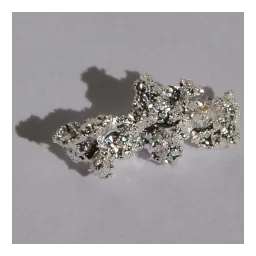
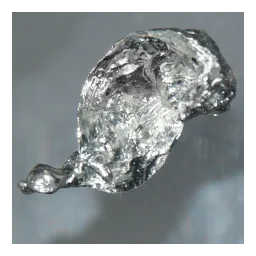
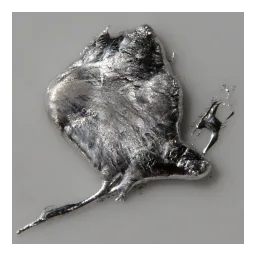
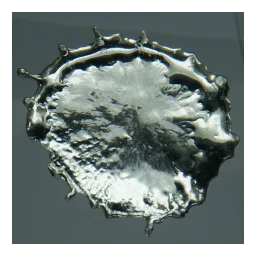
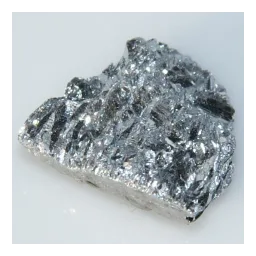
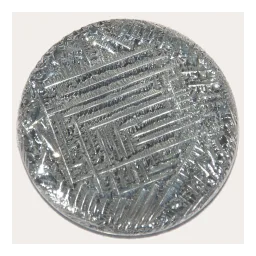
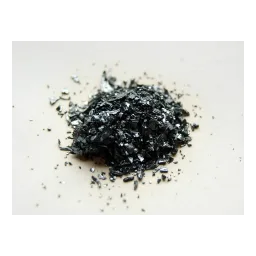
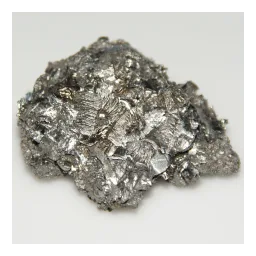
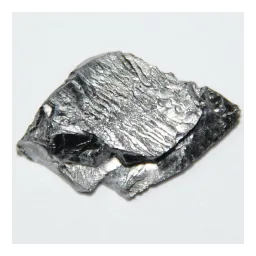
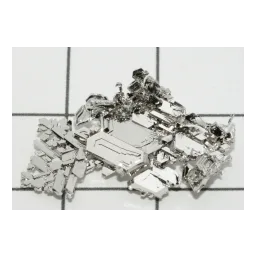
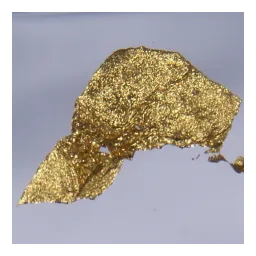
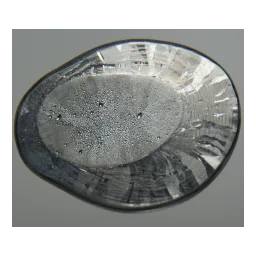
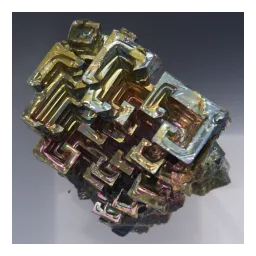
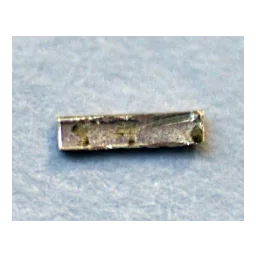
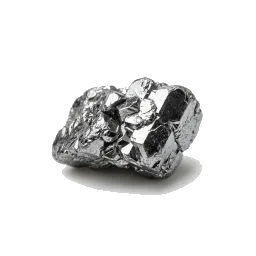
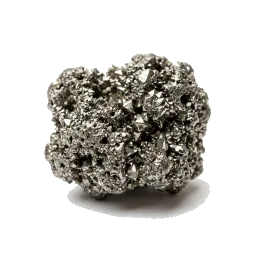
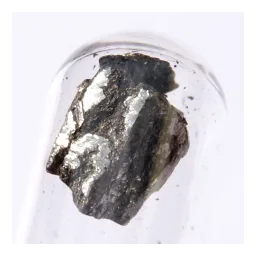
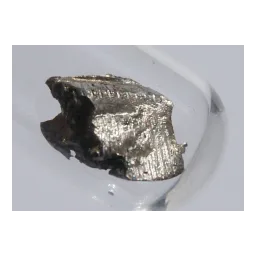
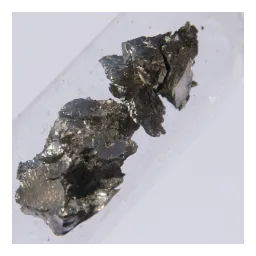
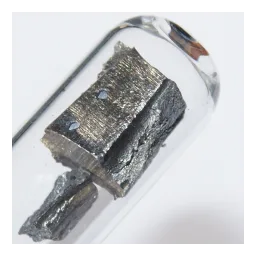
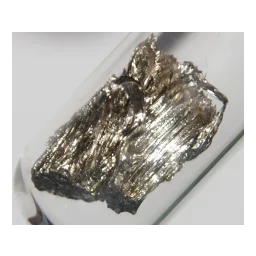
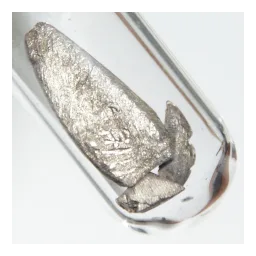
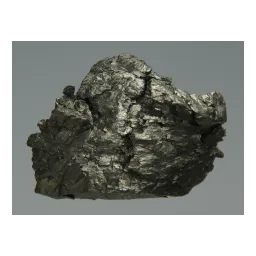
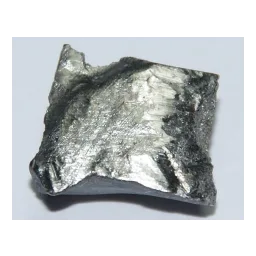
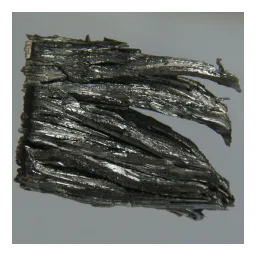
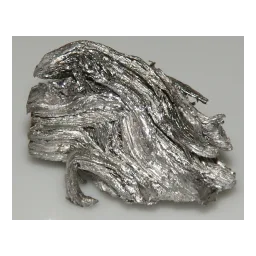
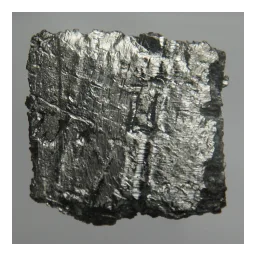
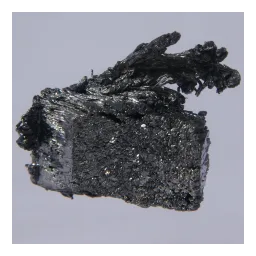
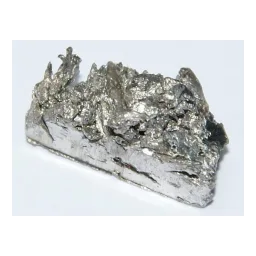
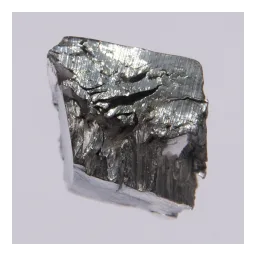
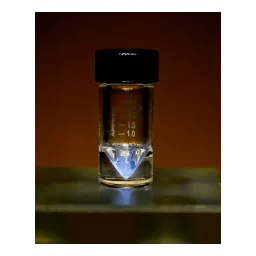
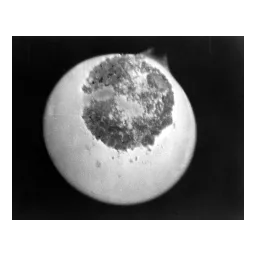
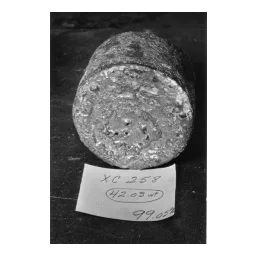
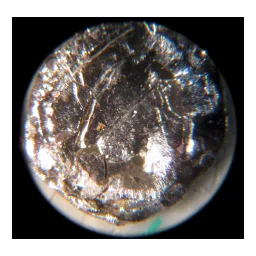
3. Interactive and visual reinforcement: Explore our interactive Bohr Orbital Simulation and authentic physical sample photographs.
4. Spaced active recall: Cover element names and practice deducing symbols and atomic numbers for 10 minutes each day to build durable recall.

Brief history: Mendeleev and the origin of the periodic table
The story of the periodic table represents one of humanity's greatest scientific triumphs. In March 1869, Russian chemist Dmitri Mendeleev published his pioneering periodic system. His stroke of genius was leaving intentional gaps in the table, predicting with remarkable precision the existence and properties of undiscovered elements such as gallium and germanium.
In 1913, British physicist Henry Moseley demonstrated using X-ray spectroscopy that the true organizing principle of the periodic law is the atomic number Z (nuclear charge) rather than atomic mass. This fundamental discovery established the modern layout recognized today by the Royal Society of Chemistry (RSC) and IUPAC.

What is the periodic table used for in science and education?
The periodic table is the master blueprint of chemistry and materials science. It enables researchers and engineers to predict whether two substances will react, calculate stoichiometric quantities, design batteries and superconductors, and investigate nuclear stability in our Isotopes and Radioactivity module. Without it, modern nanotechnology, pharmaceuticals, and materials engineering would not exist.
Downloadable and printable resources: blank table and PDF
For students and teachers who need a printable periodic table for study spaces or a high-resolution 118-element PDF for offline reference, our platform provides built-in print formatting optimized for A4 and Letter page formats. You can also print a blank periodic table worksheet to test your memory by filling in element symbols and atomic numbers.
Direct Printable Version: You can print or save this periodic table to PDF with a single click using our browser-optimized print preview:
Frequently Asked Questions about the Periodic Table
Clear answers to common questions about the chemical elements, periodic trends, and IUPAC classification:
How many elements are in the periodic table?
The periodic table currently contains exactly 118 confirmed chemical elements approved by IUPAC, spanning from Hydrogen (Z = 1) to Oganesson (Z = 118). The first 94 elements occur naturally on Earth, while elements 95 through 118 have been synthesized artificially in particle accelerators and nuclear laboratories.
Why is the periodic table arranged the way it is?
Elements are ordered by increasing atomic number Z (number of protons). The arrangement into rows (periods) and columns (groups) directly reflects valence electron configurations, ensuring that elements with matching outer shell structures and chemical properties align in the same vertical columns.
Who invented the periodic table and when?
The first widely recognized periodic system was created in 1869 by Russian chemist Dmitri Mendeleev. In 1913, British physicist Henry Moseley established that the periodic law is governed by atomic number (nuclear charge) rather than atomic mass.
How can I learn the periodic table easily and effectively?
The most effective study approach is organizing elements by vertical groups, associating symbols with creative mnemonics, using active recall with flashcards, and exploring dynamic simulations such as interactive Bohr models.
What does the letter A mean in the periodic table?
In nuclear chemistry, the letter A denotes the mass number (A = Z + N), representing the total count of protons and neutrons in an atomic nucleus. Historically, in the CAS and classical group naming systems, the letter A designated representative elements (Groups IA through VIIIA) in contrast to the transition metals (Groups B).

What is the symbol of the periodic table and how are elements represented?
There is no single global symbol for the entire periodic table. Instead, each of the 118 elements has its own unique one- or two-letter symbol standardized by IUPAC (e.g., H, He, C, Fe, Au), with the first letter always capitalized.
Data sources and authoritative scientific references
Scientific rigor is paramount in education. All atomic weights, electron configurations, and thermodynamic values presented on this platform have been verified against official international databases:
• IUPAC Periodic Table of Elements: Official IUPAC standard atomic weights and nomenclature.
• NIST Atomic Spectra Database: Energy levels and spectroscopic measurements.
• Royal Society of Chemistry: Historical element discovery and physical property profiles.
• WebElements Periodic Table: Crystallographic constants and verified physical data.
• Internal resources: view our Terms of Use, DMCA Policy, or submit questions via Contact & Support.
Independent Educational Attribution Notice: This website is an independent educational platform and is not formally affiliated with or sponsored by IUPAC, NIST, or RSC. All scientific data has been rigorously compiled from publicly accessible authoritative literature.